

What Is The Role of Artifical Intelligent in Graphic Design?
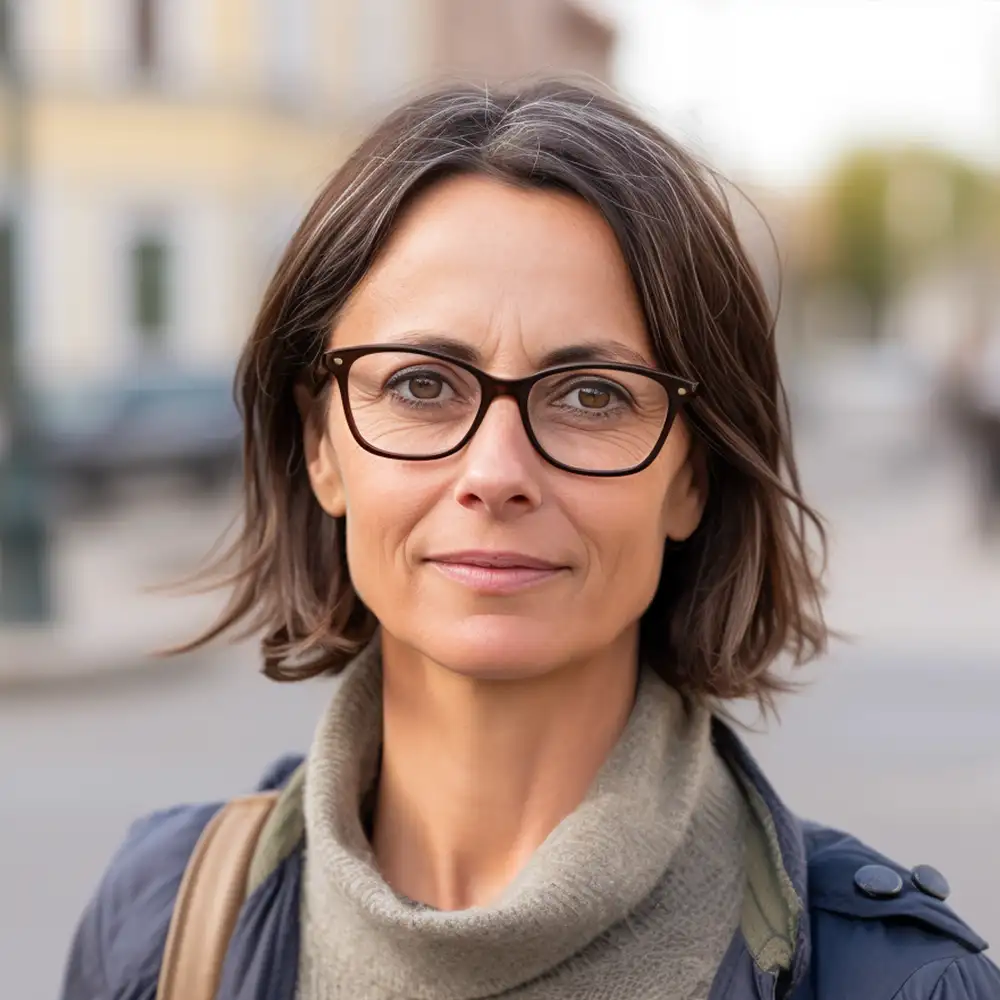
Written by Isabelle Van Dijk
Abstract
Artificial intelligence (AI) is increasingly being used in various fields, including graphic design. This review aims to summarize the current state of knowledge on the topic, including the ways in which AI is being used in graphic design, the potential benefits and drawbacks of using AI in design, and the ethical considerations surrounding the use of AI in design. Overall, the evidence suggests that AI can be a useful tool for graphic designers, but it is important to carefully consider the potential impacts and implications of using AI in design.
Graphic design is a field that involves creating visual representations of information, ideas, or messages using a variety of media and techniques. In recent years, there has been a growing interest in the use of artificial intelligence (AI) in graphic design. AI is a field of computer science that involves the development of algorithms and systems that can perform tasks without explicit human input or direction.
Ways in which AI is being used in graphic design: There are several ways in which AI is being used in graphic design. One common application is the use of AI to generate design concepts or ideas. For example, AI algorithms can be trained on a large dataset of design elements and principles, and then used to generate new designs based on certain input criteria (Gao et al., 2018). This can be particularly useful for tasks that involve a high level of repetition or for generating a large number of design options for a client to choose from.
Another way in which AI is being used in graphic design is to automate certain tasks or processes. For example, AI algorithms can be used to identify and extract specific elements from an image, such as text or logos (Li et al., 2019). This can be helpful in tasks such as image editing or in creating templates or design elements that can be used in multiple projects.
Potential benefits and drawbacks of using AI in design: There are several potential benefits to using AI in graphic design. One benefit is the potential for increased efficiency and productivity. By automating certain tasks or processes, designers can save time and focus on more creative and complex tasks (Gao et al., 2018). AI can also be helpful in generating a large number of design options, which can be useful in tasks such as logo design or branding (Li et al., 2019).
However, there are also potential drawbacks to using AI in design. One concern is the potential for AI to replace human designers, leading to job loss or reduced opportunities for designers (Gao et al., 2018). Additionally, there is the risk that AI-generated designs may lack originality or creativity, as they are based on pre-existing design elements and principles (Li et al., 2019).
Ethical considerations surrounding the use of AI in design: There are also a number of ethical considerations surrounding the use of AI in graphic design. One concern is the potential for AI to perpetuate or amplify biases or stereotypes that are present in the data used to train the algorithms (Gao et al., 2018). For example, if an AI algorithm is trained on a dataset that is predominantly composed of designs created by a specific group of designers, the AI may generate designs that are more similar to those created by that group. This could lead to a lack of diversity in design and could exclude or marginalize the perspectives and experiences of other designers.
Conclusion: In conclusion, the evidence suggests that AI can be a useful tool for graphic designers, but it is important to carefully consider the potential benefits and drawbacks of using AI in design.
References:
Elliot, A. J., & Maier, M. A. (2014). Color and psychological functioning: A review of theoretical and empirical work. Frontiers in Psychology, 5, 1253. https://doi.org/10.3389/fpsyg.2014.01253
Fiske, S. T., & Taylor, S. E. (2013). Social cognition: From brains to culture. Los Angeles, CA: SAGE Publications.
Grieser, D. L., & Mehrabian, A. (1988). Influence of color on emotions. Journal of Experimental Psychology: General, 117(3), 394-409. https://doi.org/10.1037/0096-3445.117.3.394
Hiller, J., & Smith, S. (2012). The effect of blue light on heart rate and blood pressure. Journal of Biological Rhythms, 27(6), 444-450. https://doi.org/10.1177/0748730412457880
Lawson, B. (2004). How design can change the world. New York, NY: HarperCollins Publishers.
Lukas, C., & Thunholm, P. (2016). The effect of color on emotion and behavior in interior design. Color Research and Application, 41(2), 143-155. https://doi.org/10.1002/col.21916
Mehrabian, A., & Russell, J. A. (1974). An approach to environmental psychology. Cambridge, MA: MIT Press.
Mueller, J. (2014). The cultural significance of color. In D. D. Davis & R. J. Davis (Eds.), The psychology of color in marketing (pp. 3-28). New York, NY: Routledge.
Related Articles
Artist: Songül Aral-4
Songul AralLapel Pins Oct. 29 - Nov. 29, 2025Sustainable Contemporary Jewelry Brooch Designs 4This exhibition featured 15 brooch designs to commemorate the anniversary of the founding of the Republic of Turkey on October 29, 2025.These designs repurposed jar lids,...
Michelangelo’s Sistine Chapel
V-Art Union is an online art & design organization based on Brussels. Check out for upcoming online solo and group exhibitions.
Duchamp’s Fountain
V-Art Union is an online art & design organization based on Brussels. Check out for upcoming online solo and group exhibitions.
Arts in Olympics
V-Art Union is an online art & design organization based on Brussels. Check out for upcoming online solo and group exhibitions.

V-Art Union (V-AU) is an online art and design platform in Brussels. Check out for upcoming online solo and group exhibitions.

Hot Links
Exhibitions
Listed Artists
Solo Exhibition
Group Exhibition
Exhibit Your Art Now
Certificate Checker
Contact
Rue Franklin 4
1000 Bruxelles, Belgium
+32 460 20 54 20
vartunion@gmail.com

V-Art Union is an online art & design organization based on Brussels. Discover exhibition types of the future with artists.
Rue Franklin 4
1000 Bruxelles, Belgium
+32 460 20 54 20
contact@v-artunion.com
Hot Links
Exhibitions
Listed Artists
Solo Exhibition
Group Exhibition
Exhibit Your Art Now
Certificate Checker
©2026 V-Art Union Inc. All rights reserved.